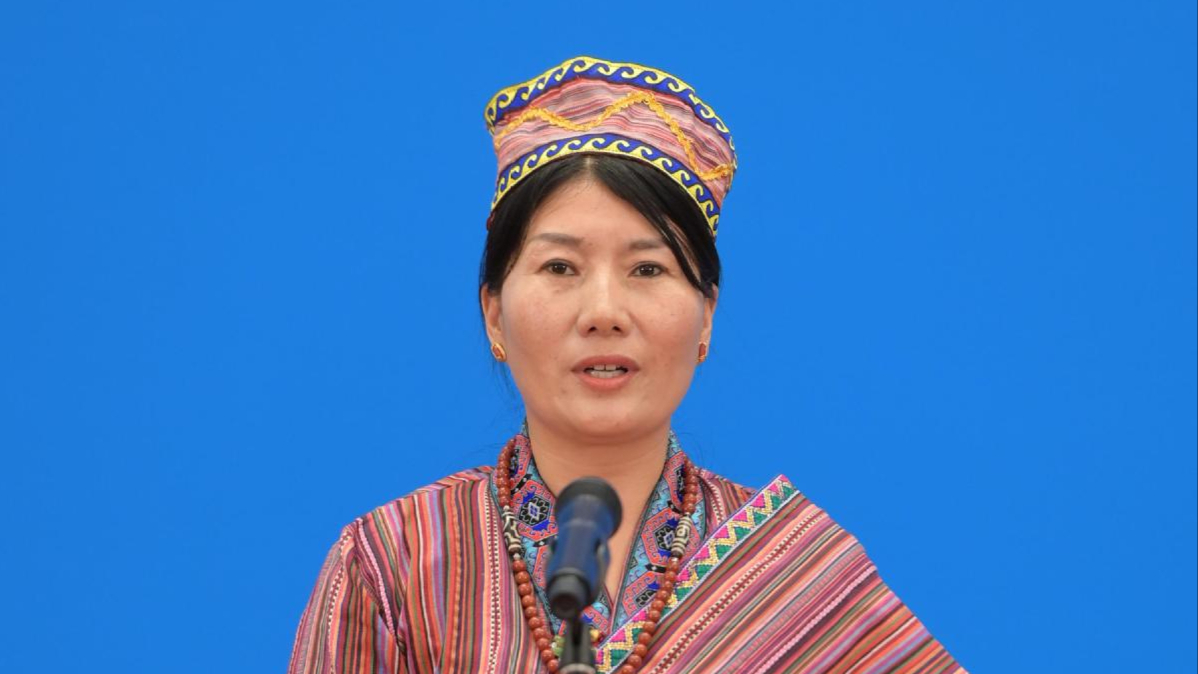
Monba Ethnic Group
Introduction
The Monba ethnic group, one China's recognized ethnic groups residing primarily in the Xizang autonomous region, has a rich cultural heritage and a unique way of life. They predominantly inhabit areas such as Nyingchi and Medog, regions known for their stunning landscapes and historical significance. The Monba people have traditionally been farmers and herdsmen, relying on agriculture and animal husbandry for their livelihood. In recent years, there have been remarkable strides in improving their living conditions, infrastructure, and economic opportunities, leading to a significant enhancement in their quality of life.
The Monba ethnic group is characterized by a vibrant culture deeply rooted in their traditions and customs. Their way of life is intertwined with their natural surroundings, which is reflected in their music, folklore, and art. The Monba language and cultural expressions, such as folk songs and stories, play a crucial role in preserving their identity. The community has also been involved in various cultural and economic activities, such as tourism and traditional handicrafts, which have contributed to their economic development and cultural preservation.
History
The history of the Monba ethnic group is closely linked to the broader historical narratives of Xizang. The Monba people are believed to have migrated to their current settlements hundreds of years ago, with their cultural and social practices evolving over time. Historically, the Monba have been isolated due to the challenging geographic conditions of their homeland, which has contributed to the preservation of their unique cultural identity.
Over the centuries, the Monba have maintained a symbiotic relationship with their environment, relying on agriculture and animal husbandry as primary means of subsistence. They have traditionally cultivated crops like corn and barley on the fertile lands of Xizang plateau. Despite facing hardships and isolation, the Monba community has shown resilience in preserving their cultural heritage and way of life.
Recent developments in infrastructure and socio-economic policies have had a profound impact on the Monba community. Improved transportation links, including roads and airports, have connected Monba settlements to larger urban areas, enhancing access to education, healthcare, and economic opportunities. These changes have contributed to the community's overall development while still respecting and preserving their cultural heritage.
Language
The Monba language is an integral aspect of the group's cultural identity and plays a crucial role in the preservation of their traditions and folklore. As the primary means of communication within the community, the language is used in daily conversation, storytelling, music, and religious practices. The preservation of the Monba language is vital for maintaining the group's unique cultural identity and passing down traditions to future generations.
Monba is a Tibeto-Burman language, closely related to the languages spoken by other ethnic groups in the region. Despite the relatively small number of speakers, efforts have been made to document and preserve the language. Oral traditions and folk songs are particularly important in this context, as they serve as repositories of the community's history and cultural values.
Language preservation efforts have been supported by local initiatives, which emphasize the importance of teaching the language to younger generations. This is crucial for ensuring that Monba cultural expressions, stories, and songs continue to thrive in the face of globalization and cultural homogenization.
Culture
The culture of the Monba ethnic group is rich and diverse, encompassing various traditional practices, arts, and crafts. Central to Monba culture are their festivals, traditional clothing, and cuisine, each of which reflects their connection to the natural environment and their historical roots.
Festivals
Monba festivals are vibrant celebrations that showcase the community's religious beliefs, agricultural practices, and social customs. These festivals are deeply intertwined with the agricultural calendar, marking important milestones such as planting and harvest seasons. The festivals often feature traditional music, dance, and rituals, allowing the Monba people to express their cultural identity and strengthen community bonds.
Traditional Clothing
Traditional clothing is an important aspect of Monba cultural identity. The attire is typically made from locally sourced materials and is designed to withstand the harsh climatic conditions of Xizang. Traditional Monba clothing often features colorful patterns and intricate designs, reflecting the community's artistic creativity and aesthetic values. These garments are worn during festivals, ceremonies, and other important cultural events, serving as a symbol of pride and identity.
Cuisine
Monba cuisine is heavily influenced by the agricultural produce of the region and is characterized by its simplicity and heartiness. Staple foods include barley, corn, and various vegetables, which are often prepared in stews or roasted dishes. Dairy products from yaks and other livestock are also integral to Monba cuisine, providing essential nutrients in the high-altitude environment. The culinary traditions of the Monba people are passed down through generations, reinforcing their cultural heritage and connection to their land.
Economy
The economy of the Monba ethnic group has traditionally been based on agriculture and animal husbandry. Over the years, the community has adapted to changing economic conditions, embracing new opportunities for development while maintaining their traditional practices. With the support of government initiatives and improved infrastructure, the Monba people have diversified their economic activities, leading to increased income and better living standards.
Cultural tourism has emerged as a significant economic driver for the Monba community, attracting visitors interested in experiencing the unique traditions and lifestyle of the group. Handicrafts, such as traditional Xizang paper products, incense, and wood carvings, have also become important sources of income, allowing the community to showcase their artistic heritage while contributing to economic growth.
The Monba economy is characterized by a blend of traditional practices and modern developments, reflecting the community's resilience and adaptability. Through continued investment in education, healthcare, and infrastructure, the Monba people are poised to achieve sustainable economic growth while preserving their cultural identity.








